VPNs Explained - Online Privacy
In order to help you decide the best VPN Service for your specific needs we have created this list.
Top VPN Providers Comparison
| Provider | Countries | Devices | P2P | Monthly | Best For | Get Started | |
|---|---|---|---|---|---|---|---|
 |
NordVPN | 110 | 10 | Yes | $3.09 | Privacy & Speed | Visit Site → |
 |
Surfshark | 100 | ∞ | Yes | $2.49 | Most Value & Families | Visit Site → |
 |
Proton VPN | 110+ | 10 | Yes | $4.99 | Security & Transparency | Visit Site → |
 |
Mullvad VPN | 40+ | 5 | Yes | €5.00 | Privacy & Anonymity | Visit Site → |
 |
ExpressVPN | 105 | 8 | Yes | $6.67 | Ease of Use | Visit Site → |
Detailed VPN Recommendations
Choosing the right VPN depends on your specific needs. Here is a breakdown of why we included each of these providers in our top list for 2025.
NordVPN: Best Overall VPN - Speed & Security 🔗
Based in 🇵🇦 Panama. NordVPN uses AES-256 encryption with its proprietary NordLynx protocol for exceptional speed. Features include Threat Protection (blocks ads/malware), Double VPN, and post-quantum encryption. Supports up to 10 devices with a 30-day money-back guarantee.
Network (2026): Over 8,900 servers across 129 countries. All servers are RAM-only for enhanced security.
Surfshark: Best Value - Unlimited Devices 🔗
Based in 🇳🇱 The Netherlands. Surfshark operates 100Gbps RAM-only servers with WireGuard protocol for optimal speed. Independently audited by Cure53. Unique features: Dynamic MultiHop, IP Rotator, CleanWeb ad blocker, and Alternative ID. Unlimited simultaneous connections. 30-day money-back guarantee.
Network (2026): 3,200+ servers in 100 countries with self-healing Everlink technology for reliable connections.
ProtonVPN: Maximum Privacy - Swiss Foundation 🔗
Based in 🇨🇭 Switzerland (outside 5/9/14 Eyes). Developed by CERN scientists with fully open-source apps. Features Secure Core (multi-server routing), NetShield ad blocker, Perfect Forward Secrecy, and full-disk encryption. Free tier available with unlimited data. Supports 10 devices.
Network (2026): 6,638+ servers in 112 countries. Swiss privacy laws protect against data retention requirements.
Mullvad: Ultimate Anonymity - €5 Flat Rate 🔗
Based in 🇸🇪 Sweden. No email required—uses randomly generated account numbers. Accepts cash mail and Monero for complete anonymity. All RAM-based servers with DAITA (defense against AI traffic analysis) and quantum-resistant encryption. Open-source apps. €5/month flat rate since 2009.
Network (2026): 400+ servers in 40+ countries. Focused on privacy over quantity.
ExpressVPN: Premium Choice - Best User Experience 🔗
Based in 🇻🇬 British Virgin Islands. RAM-only TrustedServer technology ensures no data retention. Lightway protocol delivers exceptional speed. New for 2026: ExpressKeys password manager, ExpressAI (private AI platform), and Identity Defender. 24/7 live support. Supports 10-14 devices depending on plan.
Network (2026): 3,000+ servers in 107 countries across 154 locations. Servers in all 50 US states.
Not long ago, "online privacy" seemed like something only tech experts worried about. Today, it's a mainstream concern. From remote work and online banking to streaming and social media, our lives are deeply connected to the internet. That comes with real risks.
This is where a VPN (Virtual Private Network) becomes more than just a tech tool.
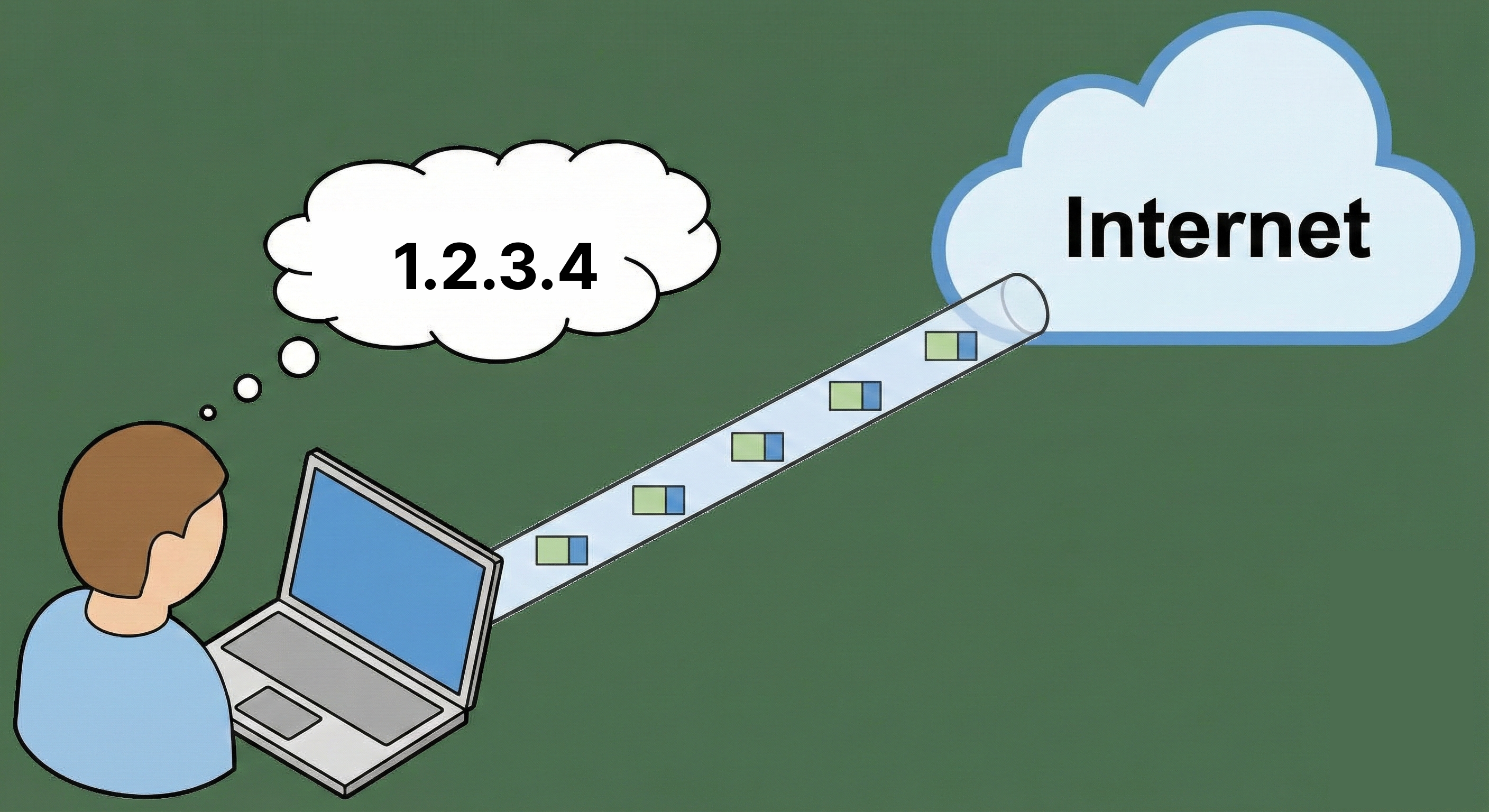
Your IP address is like your digital fingerprint on the internet. Every website you visit, every service you use can see this unique number and use it to identify and track you.
Want to hide it?
Then VPN is a possible solution.
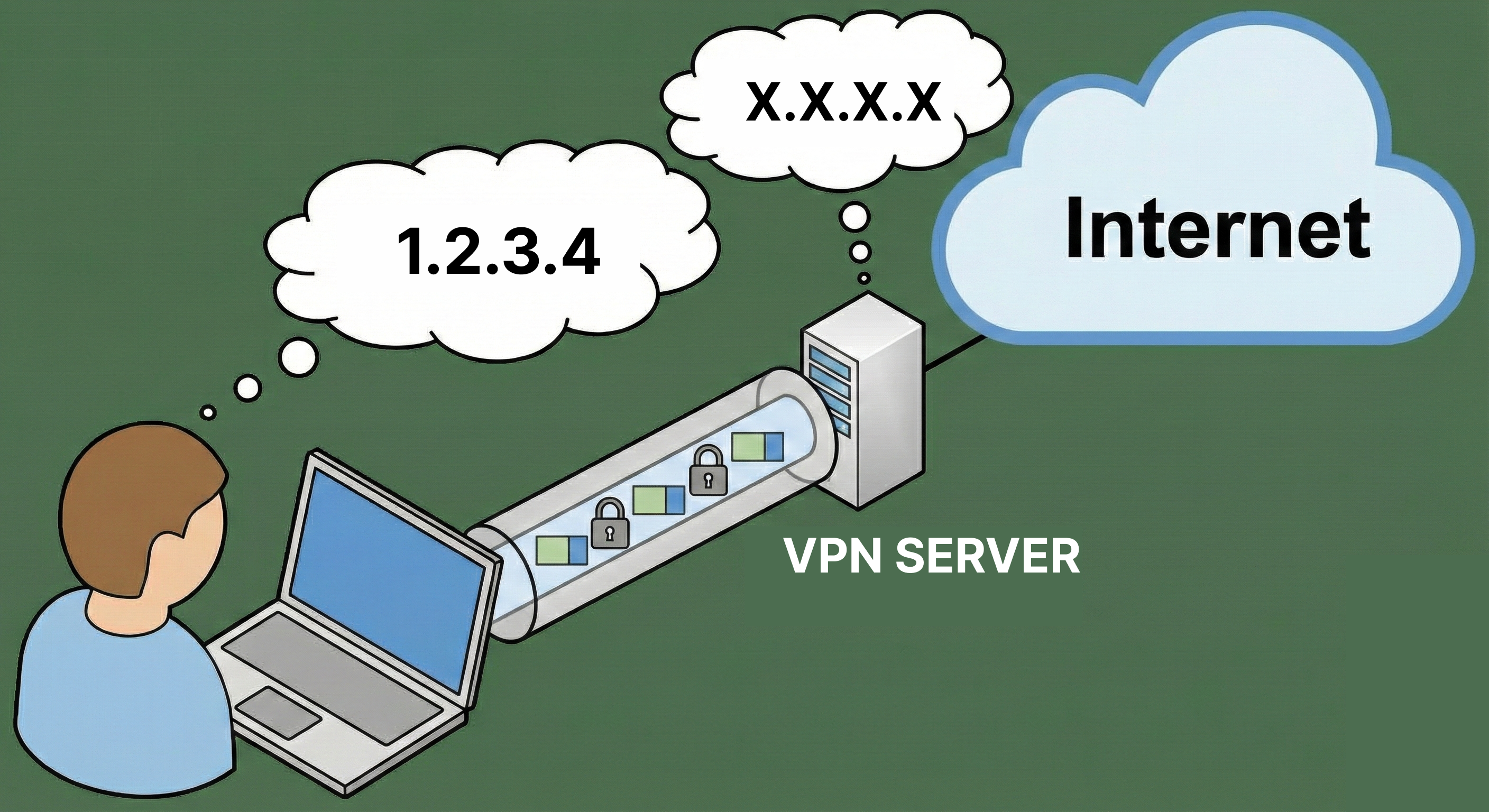
A VPN creates a secure, encrypted tunnel between your device and the internet. Instead of connecting directly through your Internet service provider (ISP), your traffic is routed through a VPN server.
Let's break down what a VPN actually does, why so many people are using one today, and which VPN will suit best.
What is a VPN (in Plain English)?
A VPN creates a secure, encrypted tunnel between your device and the internet. Instead of connecting directly through your Internet service provider (ISP), your traffic is routed through a VPN server.
In practice, this means:
- Your real IP address is hidden
- Your data is encrypted and harder to intercept
- Your online activity is more private
You're not becoming "invisible," but you are significantly harder to track, profile, or exploit.
Here is an image to help you understand better:
Reasons to get a VPN
1. Public Wi-Fi is Convenient but can be Dangerous
Free Wi-Fi is everywhere, and attackers know it. Unsecured networks are one of the easiest ways for malicious actors to intercept data. A VPN encrypts your traffic, making it unreadable even if someone is watching.
2. You're Being Tracked More Than You Think
Websites, advertisers, apps, and ISPs all collect data. Over time, this builds detailed profiles about your habits, interests, and behavior. A VPN limits this tracking by masking your IP and location.
3. Data Breaches Are No Longer Rare Events
Even reputable companies get breached. While a VPN can't prevent breaches, it reduces the amount of exposed data when you're browsing, logging in, or transmitting information.
4. Content Isn't the Same Everywhere
From news sites to streaming platforms, access varies by region. VPNs allow users to bypass geographic restrictions so many people accept one for this first time.
Common VPN Pain Points (And Why They Matter)
VPN's aren't magic. So let's talk about the pain points.
Slower Internet Speeds
Encryption and rerouting traffic takes resources. Even quality VPNs can noticeably slow your connection, especially for streaming or gaming. Think that when you connect to a vpn server all the force from your horse fans, as coming a server located far far in order to you can access specific content.
Trust Still Matters
Using a VPN means trusting the provider. Some log user activity, sell anonymized data, or cut corners on security. Not all VPNs are created equal.
Compatibility Issues
Some websites and services actively block VPN traffic, which can occasionally interrupt access.
Do I need a VPN?
A VPN makes sense if you:
- Work remotely or travel frequently
- Use public Wi-Fi networks
- Want consistent access to content across regions
- Live in or travel to countries with restricted internet access
- Value online privacy and data protection
Ready to Protect Your Privacy?
Check if your current IP address is visible with our free tool, then protect yourself with a VPN.